The holiday rush brings more orders, more changes and more mix-ups. Most angry emails follow the same pattern, so one calm routine handles nearly all of them.
What should you do first when an angry customer email arrives?
Read the whole thread from the oldest message before you write a word. The newest message usually shows the anger, but the older messages show the cause.
In Gmail, older messages in a thread are folded up. Both reply lessons start the same way:
- Open the thread.
- Click Expand all, the double-arrow icon at the top right of the thread.
- Read it through once, oldest first.
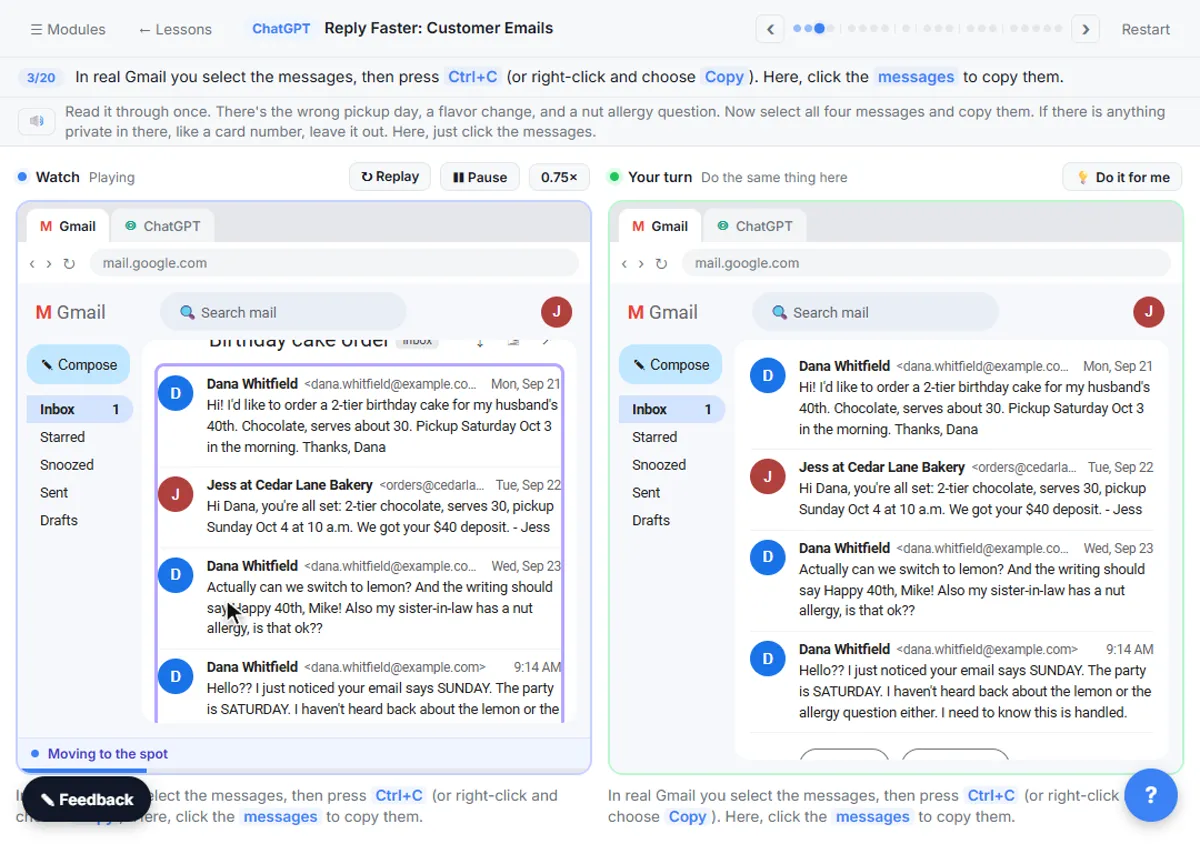
In the Reply Faster lesson, the made-up Cedar Lane Bakery has a four-message thread with Dana. Her cake confirmation says Sunday when the party is Saturday, and two of her earlier questions never got an answer. Her last message reads: "I need to know this is handled." The anger only makes sense once you see the whole thread.
How do you separate what the customer asked from how they feel?
Write the customer's questions as a short list, apart from the tone. An angry email is usually several real questions plus one feeling: "nobody is listening."
Dana's thread has three questions:
- Can pickup move to Saturday?
- Can the cake be lemon instead of chocolate?
- Is it okay for her sister-in-law, who has a nut allergy?
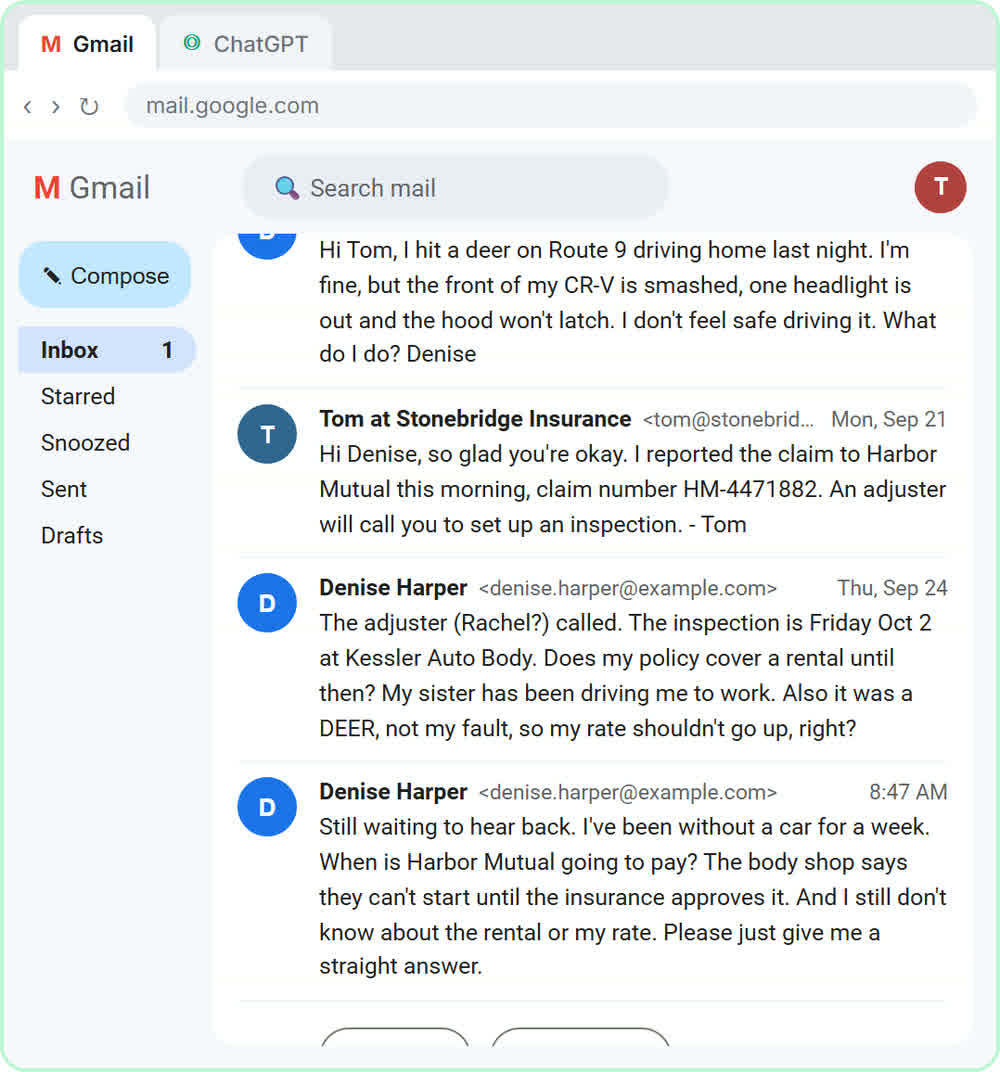
In Reply Faster: Claim-Status Emails, Denise, a client of the made-up Stonebridge Insurance Agency, also has three: when the carrier will pay, whether a rental is covered, and whether her rate will go up. Her last line is "Please just give me a straight answer."
The feeling sets the tone; the list sets what the reply must cover. Answer every question, including the awkward one, because an unanswered question is usually what made the customer angry.
What facts should you give ChatGPT before it writes the reply?
Give ChatGPT a numbered list of facts headed "only promise what is here," because ChatGPT can't see your schedule, your prices or what you're allowed to promise. Paste it in the same message as the thread and your instructions.
The bakery's list includes the fixed pickup time, the price, the allergy answer and a discount the owner approved:
Facts (only promise what is here):
1. We can move pickup to Saturday, Oct 3, at 10 a.m.
2. Lemon is fine, same price: $120 total.
3. "Happy 40th, Mike!" on top is fine, no charge.
4. Our lemon recipe has no nuts, but our kitchen also bakes with nuts, so we can't promise any cake is nut-free.
5. The Sunday date was our mistake. The owner approved 10% off the $80 balance, so $72 is due at pickup.
6. Sign it: Jess, Cedar Lane Bakery.
Two habits from the lessons make angry replies better:
- Put your own mistake in the facts. The insurance list says: "I left Denise a voicemail on Sep 25 but never answered her email. That's on me." Then the apology names the real miss.
- Put "who decides" in the facts. The agency's facts say the carrier decides when and how much it pays. An upset customer needs that said plainly, not hidden.
Before you paste, take out anything private the reply doesn't need, like a card number, a driver's license number or a date of birth, and follow your company's rules for customer data.
How should the reply to an angry customer be structured?
Apologize once, then answer each question in order, each in its own short paragraph, and end with what happens next. Tell ChatGPT that structure directly in your instructions.
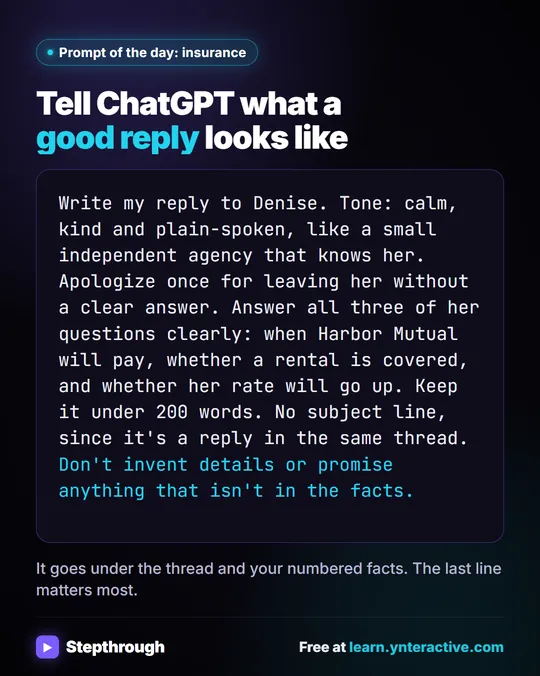
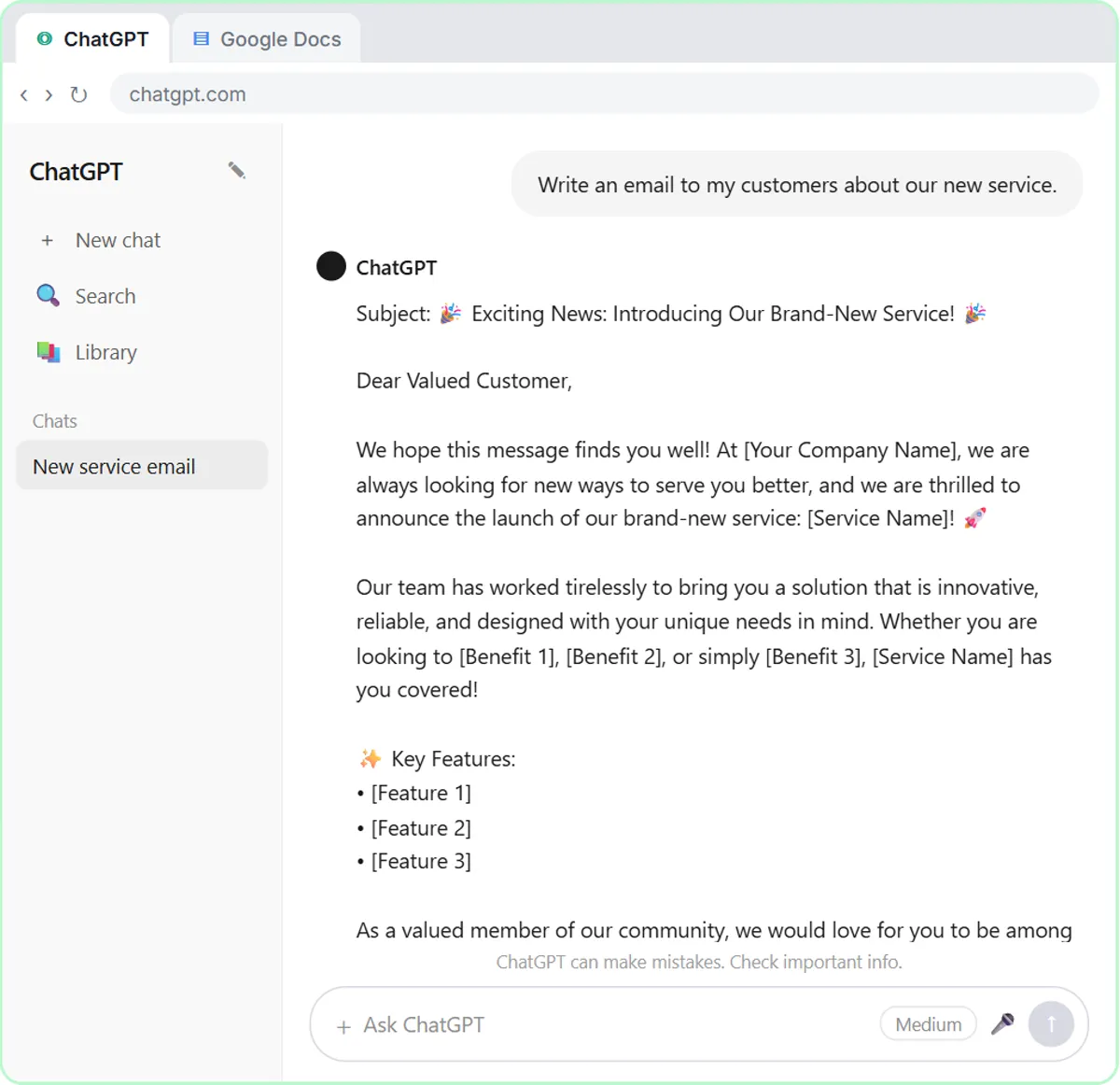
The bakery's instructions ask for a tone "warm, friendly and professional, like a small neighborhood bakery," one apology, all three questions answered, under 150 words, no subject line, and "Don't invent details or promise anything that isn't in the facts." The agency asks for "calm, kind and plain-spoken" and under 200 words.
The insurance lesson's final reply shows the structure at its clearest. Each paragraph starts with the customer's own question, so she can find her answer at a glance:
- "When will you be paid?" The carrier decides, so no date is promised, and she learns what happens after Friday's inspection.
- "Is a rental covered?" Yes, up to $40 a day and $1,200 for the claim, and she calls her adjuster to set it up.
- "Will your rate go up?" No promise, the renewal date, and an offer to go over it with her.
One apology at the top is enough. Customers want the answer more than a second "sorry."
Try it free, step by step
Reply Faster: Turn a Messy Customer Email Thread into a Clear, Friendly Reply. Turn a messy customer email thread into a clear, friendly reply: give ChatGPT the thread and your facts, check every promise, fix the tone, and send it from Gmail. You do every step yourself in a practice copy of ChatGPT, it checks your work as you go, and “Do it for me” finishes any step you get stuck on. Free, and nothing touches your real accounts.
Start the free lessonHow do you keep a calm reply from overpromising?
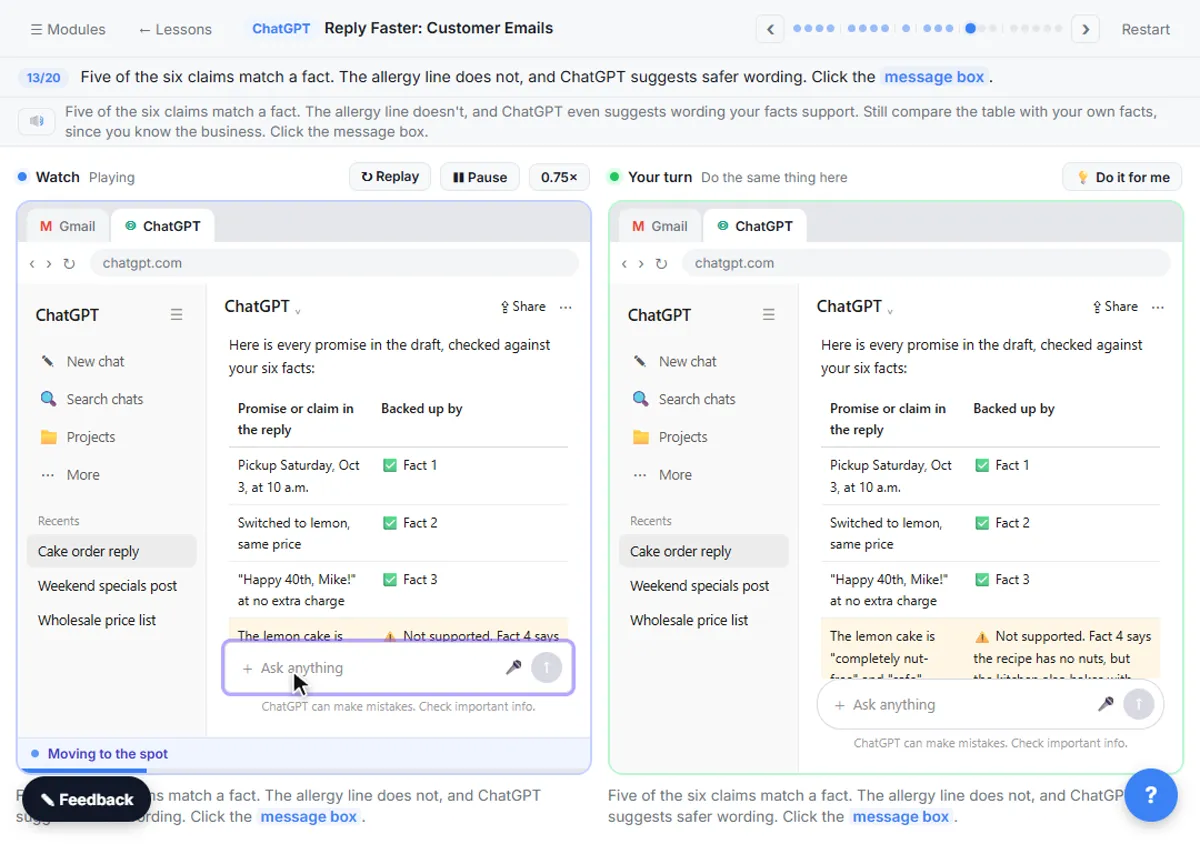
Ask ChatGPT to check its own draft against your facts before you send it. Calm replies to upset people tend to drift toward whatever would end the conversation fastest.
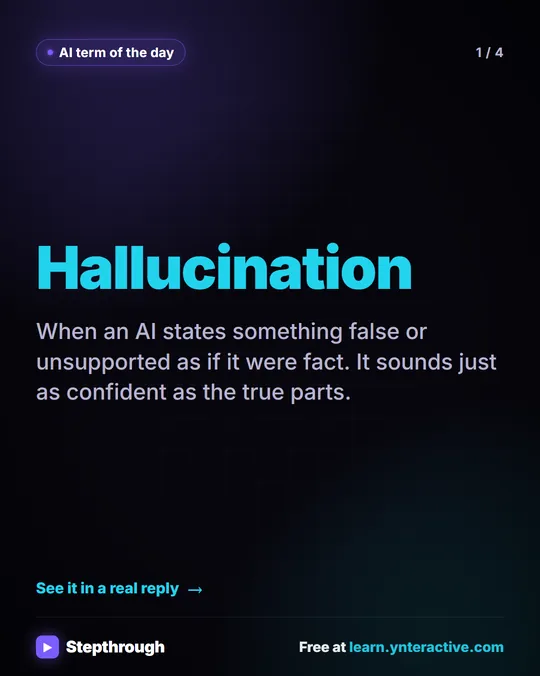
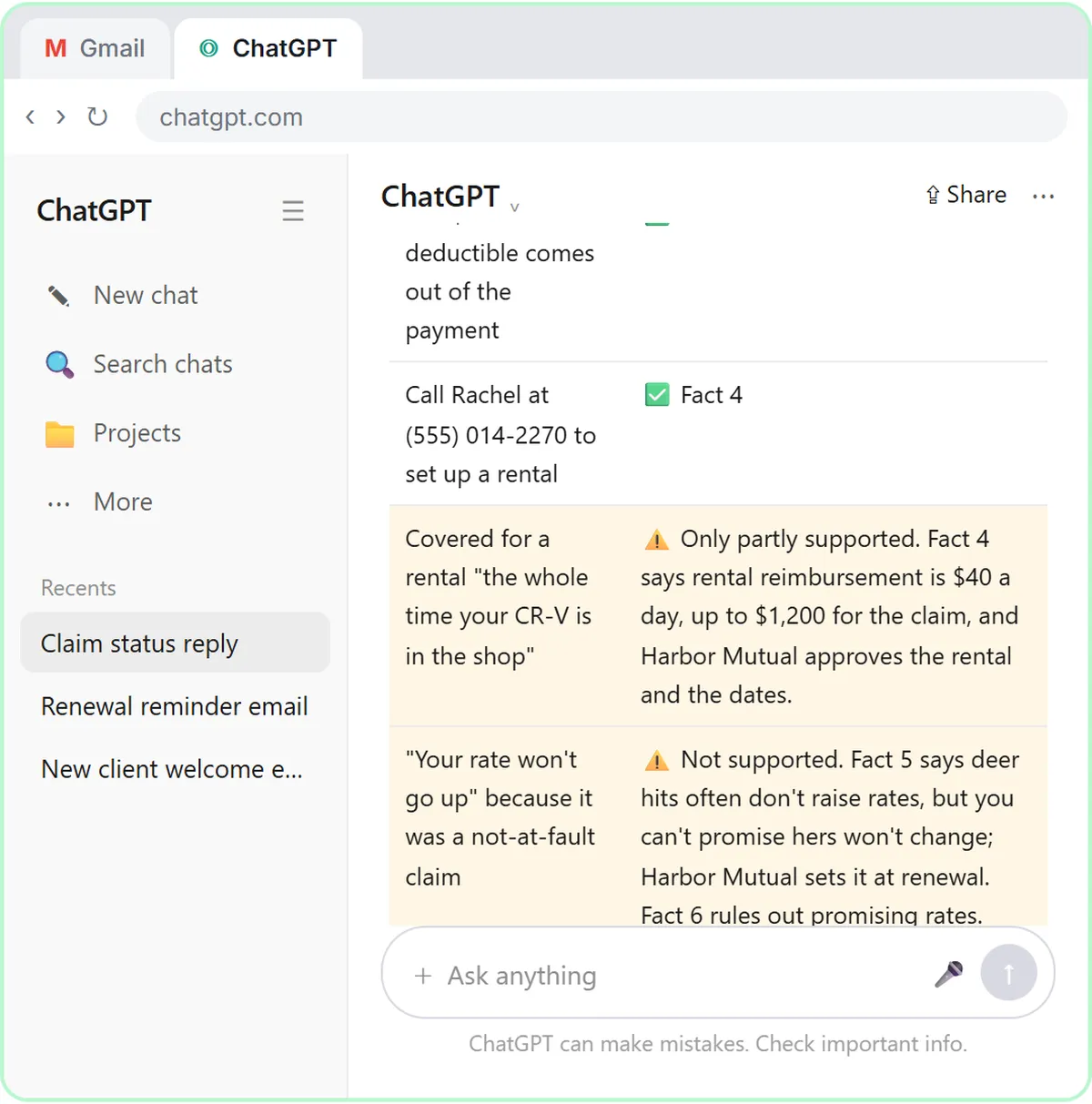
In both lessons, the first draft sounded great and promised too much. The bakery draft called the cake "completely nut-free." The agency draft promised a rental for the whole repair and a rate that won't go up. The fix is one more message in the same chat:
Check that reply against my facts. Make a table of every promise or claim in it and the fact that backs it up. Flag anything the facts don't support.
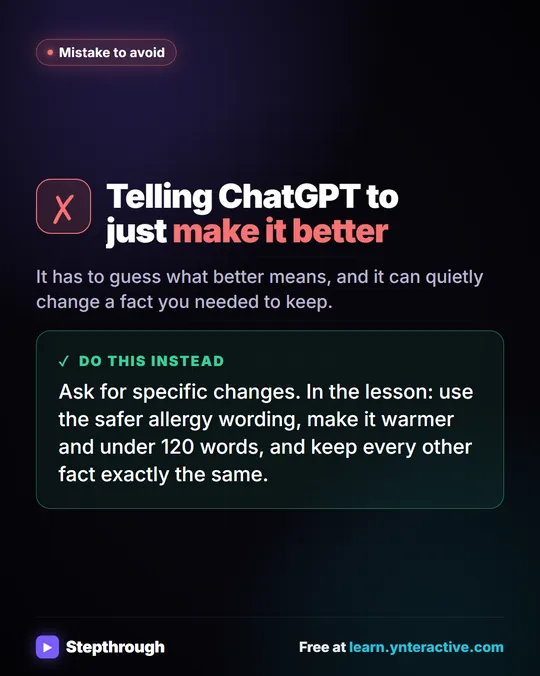
Then ask for the specific change, and keep everything else locked: "Use that allergy wording. Then make the whole reply a little warmer and shorter, under 120 words. Keep every other fact exactly the same. Reply with just the email." The full check is explained in Check AI Email Drafts for Promises Before You Send, and How to Revise a ChatGPT Draft covers better fix requests.
What should you avoid in a reply to an angry customer?
Avoid anything that makes the customer feel argued with or brushed off. A few habits make things worse:
- Arguing about tone. Don't mention the capital letters. Answer the questions.
- Over-apologizing. Three apologies read as nervous and still answer nothing.
- Promising to end the fight. A date or guarantee you can't keep turns one angry email into two.
- Going vague. "We're looking into it" with no next step reads as another non-answer.
If a fact isn't settled yet, say what happens next, but only if you can keep that promise.
Who should send the final reply?
You should, after one last read. ChatGPT wrote the draft, but your name or your business's name is on it.
In both lessons you copy the final reply, go back to Gmail, click Reply under the customer's last message and paste it. The answer stays in the same thread, which is why the instructions ask for no subject line. Read the dates, the amounts and the hardest answer one more time, then click Send. The insurance version is covered in more depth in ChatGPT for Insurance Agencies.
Both lessons are free, run in a practice copy, and work with any ChatGPT plan, including the free one, within its limits. More are on the ChatGPT tool page.
Key takeaways
- Read an angry customer email thread from the oldest message, using Gmail's Expand all, because the cause is usually in the earlier messages.
- List the customer's questions separately from the tone, and answer every one of them, especially the awkward one.
- Give ChatGPT a numbered facts list headed "only promise what is here," including your own mistake and who decides what.
- Structure the reply as one apology, then one short paragraph per question, then the next step.
- Ask ChatGPT to check its draft against your facts, because calm AI replies to upset customers tend to overpromise.
Frequently asked questions
- How do you start a reply to an angry customer?
Start with one specific apology for the actual miss, like the wrong pickup day, then go straight to answering their questions. One apology is enough.
- Can ChatGPT write the reply for me?
ChatGPT can write a good first draft if you give it the full thread, your facts and clear instructions. Check every promise against your facts and read it yourself before sending.
- What if I can't give the customer what they want?
Say so plainly and say who decides, as the insurance lesson does with the carrier's payment date. Then give the next step you can actually offer.
- Are Cedar Lane Bakery and Stonebridge Insurance real?
No. Cedar Lane Bakery, Stonebridge Insurance Agency and their customers are made-up examples used in the lessons.