The end of a quarter, and the end of the year, is when open deals pile up. Most of them haven't said no. They just haven't heard from you in a useful way.
Why should a follow-up match the deal stage?
A follow-up that fits the stage answers the question the prospect actually has right now. A generic "just checking in" makes them do the work of remembering who you are and what's next.
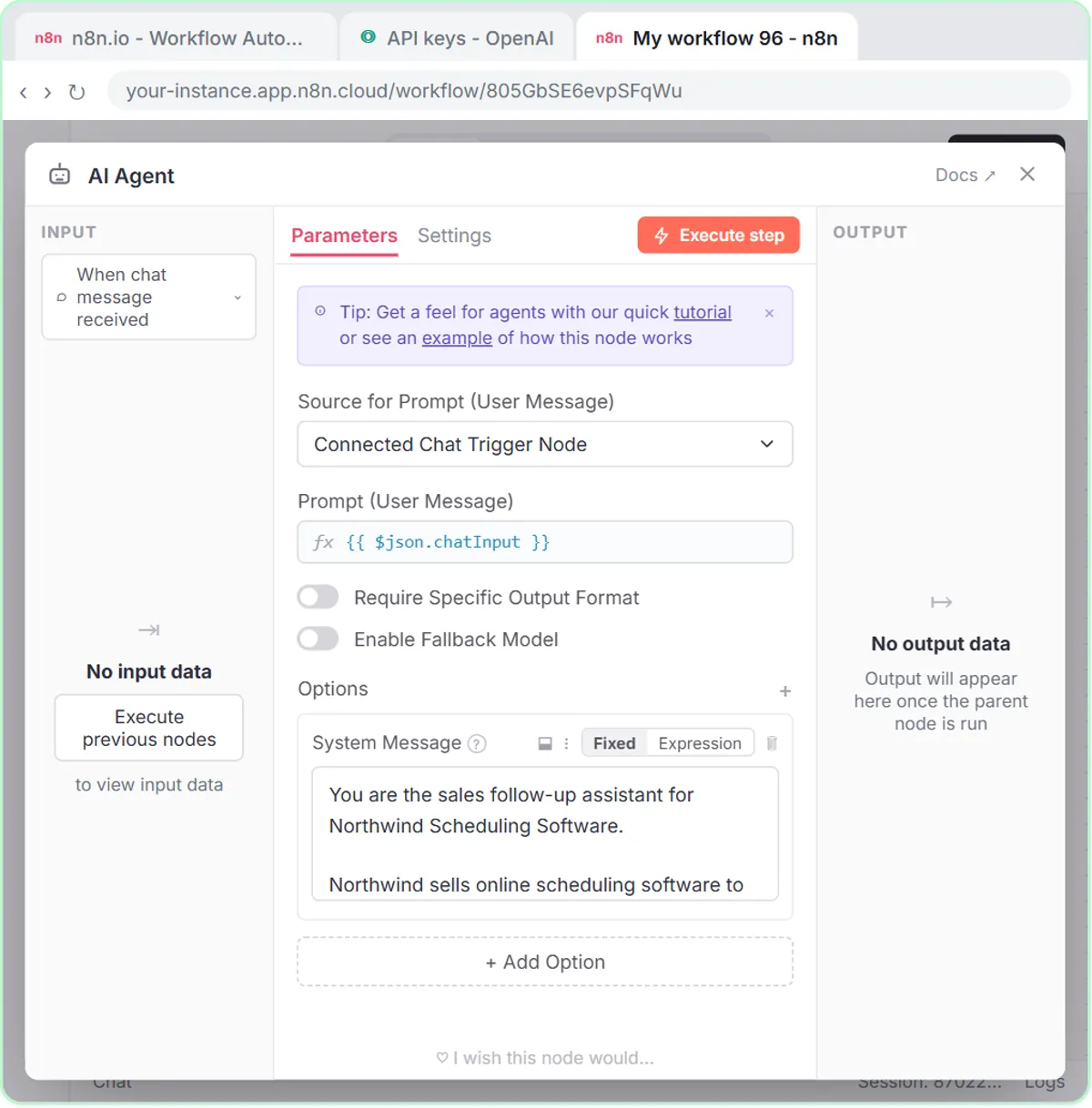
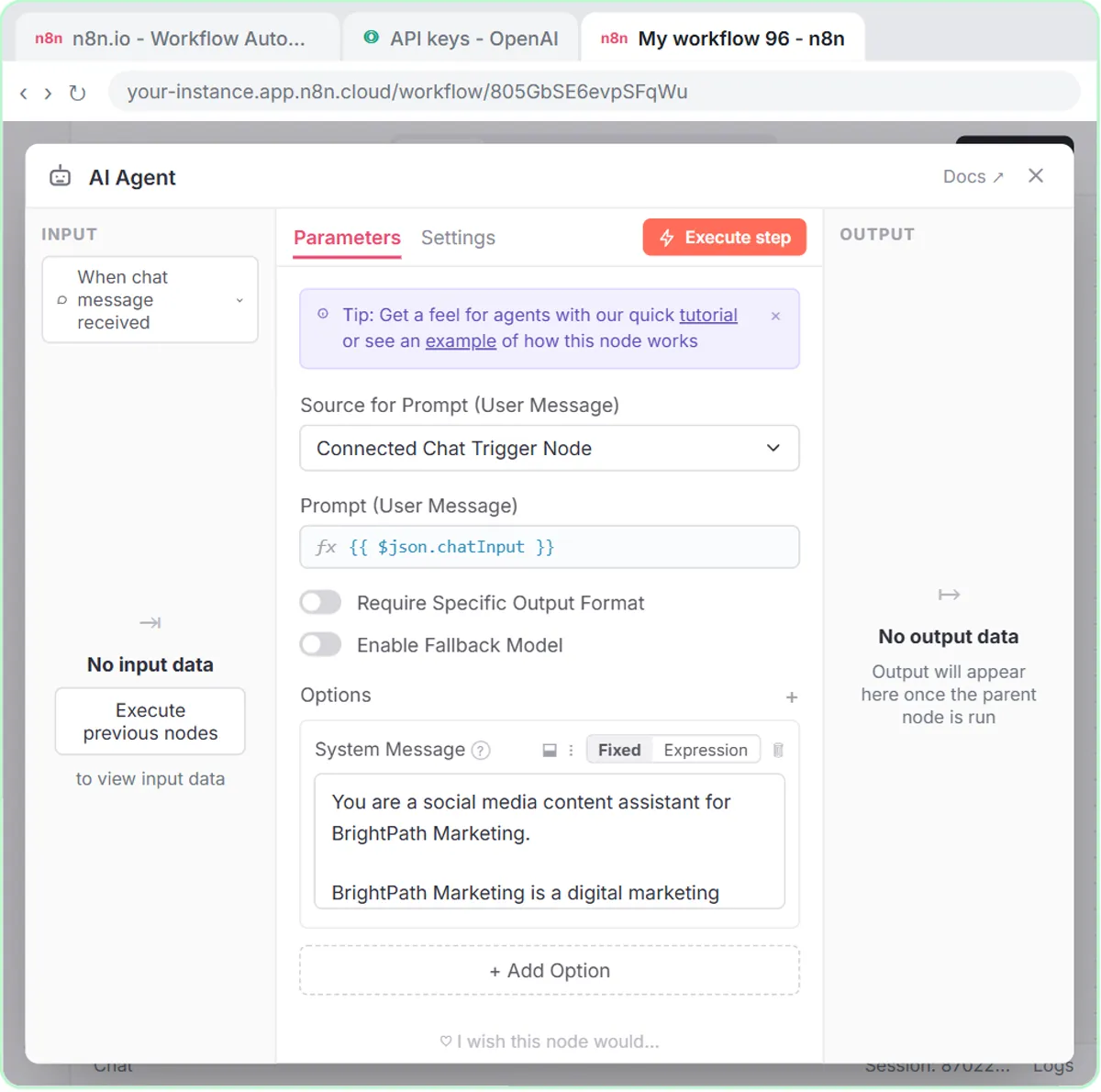
The lesson's system prompt, written for a made-up company called Northwind Scheduling Software, puts the rule in one line: "Match the message to the stage. Keep each message under 80 words and end with one clear ask." It also sets the voice: "Sound like a helpful rep, not a pushy salesperson."
What should you say at each stage?
Each stage has one job. Here's how the lesson's three test deals map out, plus a couple of other common stages with general guidance:
| Stage | What the prospect needs | One clear ask |
|---|---|---|
| Demo today | A short recap tied to their problem | Start a trial or book setup |
| Trial ends Friday | A reminder before time runs out | A quick call or a yes/no on continuing |
| Quiet since pricing | A low-pressure way back in | One question about fit or budget |
| Proposal sent, no reply | Confirmation it arrived, an easy next step | A time to talk it through |
| Said "not now" | Respect for the timing | Permission to check back later |
In the lesson, the agent writes a different message for each test deal. Maria Lopez at Maple Row Cleaning, who had a demo today, gets a recap that ties the shared calendar to her double-booked cleaners and an offer to set up a trial. Sam Patel at Fernhill Lawn Care gets a short check-in before his trial ends. Jen Walsh at Birch Lane Grooming, quiet since pricing, gets a no-pressure note about the smaller Starter plan. All three prospects and companies are made up.
How do you follow up after sending pricing without pressure?
Acknowledge that price is a real consideration, offer one useful option or answer, and ask one easy question. Don't discount on your own, don't pretend there's a deadline, and don't guilt them for not replying.
A prospect who goes quiet after pricing is often doing math, comparing options or waiting on someone else. A message that helps with that works better than one that chases. Options that fit, depending on what's true for your business:
- Point to a smaller plan or a lighter starting option that already exists.
- Offer to walk through the price against the problem they described.
- Ask whether the timing or the budget is the issue.
The lesson's last rule matters most here: "Do not invent prices, discounts or results." An AI asked to "re-engage" a quiet prospect can easily offer 20% off or promise results you can't back up. Only real plans, real prices and offers you've approved belong in the message.
How do you write stage-based follow-ups with ChatGPT?
Paste your open deals into ChatGPT with the same rules the agent uses, and read every message before you send it. This works on any ChatGPT plan, with no setup. A prompt you can adapt:
You're helping me follow up on open sales deals for [BUSINESS], which sells [WHAT YOU SELL] to [WHO].

Write one follow-up email for each deal below. Match the message to the stage. Keep each under 80 words and end with one clear ask. Friendly, plain, specific and brief. Sound like a helpful rep, not a pushy salesperson. Do not invent prices, discounts, deadlines or results. If you need a detail I didn't give, write [CHECK] instead of guessing.

Deals:
- [Name], [Company], [stage, in a few words, plus one detail from your notes]
- ...
The one-detail-per-deal part makes the difference. "Had a demo today, worried about double-booked cleaners" gives ChatGPT something real to recap. Share only what the message needs: names, companies and stage notes, not contract terms or anything your company treats as confidential, and follow your company's policy on customer data.
Try it free, step by step
Build an n8n AI Agent That Writes Deal Follow-Ups. Build an AI agent for Northwind Scheduling Software that writes follow-up messages for your open deals and saves them to Google Sheets — chat trigger, AI Agent, system prompt, model, memory, and the… You do every step yourself in a practice copy of n8n, it checks your work as you go, and “Do it for me” finishes any step you get stuck on. Free, and nothing touches your real accounts.
Start the free lessonHow does the n8n deal follow-up agent work?
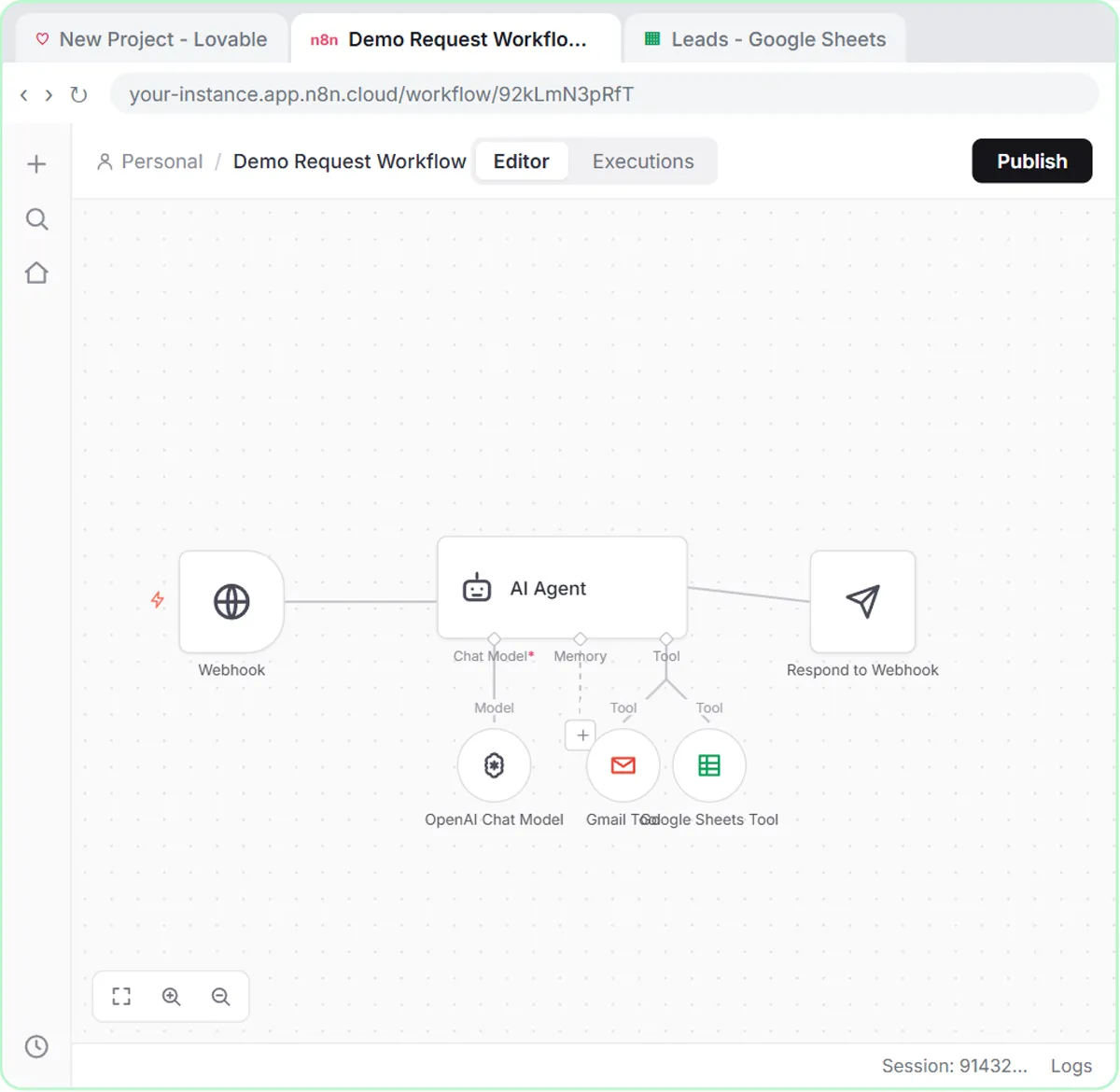
The n8n agent does the same job for a whole batch and saves every message to a sheet for review. In the lesson, it's a chat trigger, an AI Agent with the Northwind system prompt, an OpenAI Chat Model (gpt-5-mini), Simple Memory and a Google Sheets Tool.
You paste the deals into the chat:
Write follow-ups for my open deals: Maria Lopez, Maple Row Cleaning, had a demo today. Sam Patel, Fernhill Lawn Care, trial ends Friday. Jen Walsh, Birch Lane Grooming, quiet since pricing.
Then you type "Yes, save those follow-ups to the sheet," and the agent writes one row per deal to a sheet called Deal Follow-Ups, with five columns: Prospect, Company, Stage, Follow-up Message and Next Step.
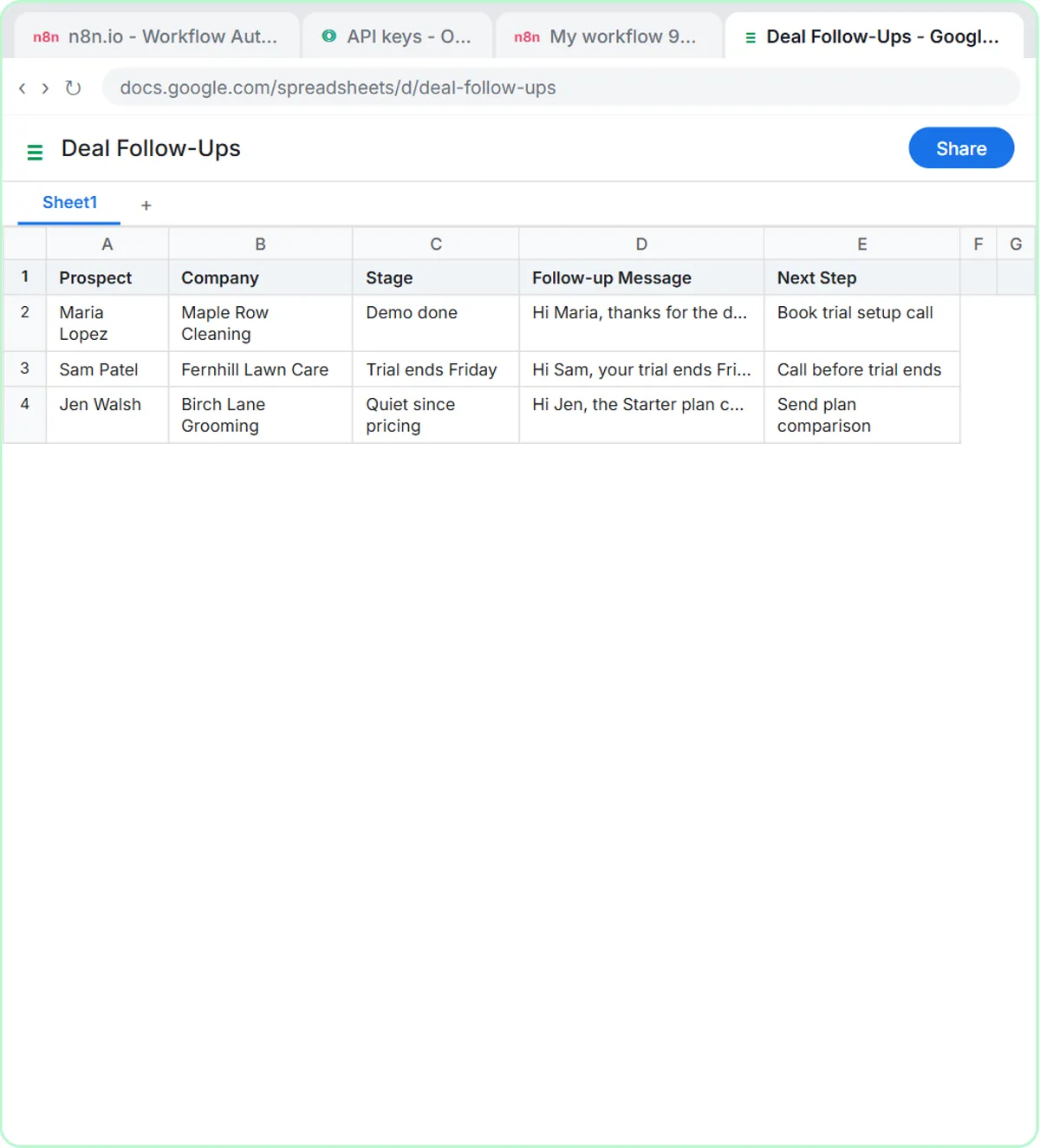
Nothing is sent. The sheet is a review queue: a rep reads each message, edits anything that's off, sends it from their own email and updates the deal. The Next Step column doubles as a to-do list you can sort by stage. n8n AI Agent Tutorial: Build Your First Agent explains each part of the build.
Where do the new deals come from?
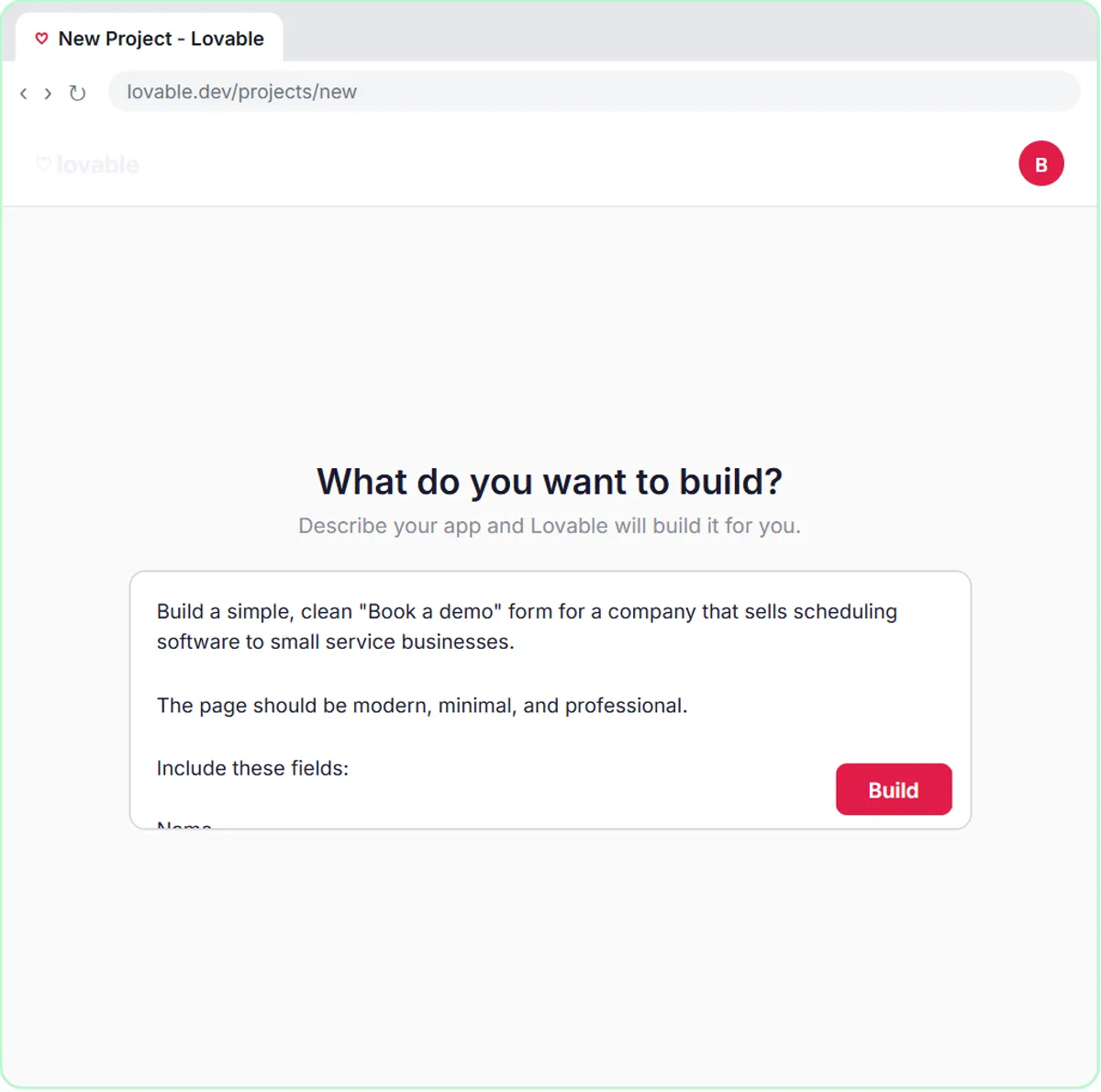
New leads can arrive already rated, so the follow-up agent only handles deals that are in progress. The AI Demo Request Form lesson builds a "Book a Demo" form for the same made-up company, where an AI agent rates each lead Hot, Warm or Nurture and emails one next step. AI Lead Qualification from a Demo Request Form covers how that rating works, so it isn't repeated here.
Together, the two lessons cover both ends of a small pipeline: the form answers new requests right away, and the follow-up agent keeps open deals moving.
How do you run an end-of-quarter pipeline cleanup?
Set aside an hour, list every open deal with its stage and one note, and generate all the follow-ups at once. A simple routine:
- Export or list open deals with name, company, stage and the last thing that happened.
- Close the dead ones. If a deal has been quiet for months and you've already followed up, mark it lost or move it to a nurture list instead of sending another nudge.
- Generate follow-ups in ChatGPT or the n8n agent.
- Review every message. Check names, stages and any product detail against your notes.
- Send from your own email, one at a time, and log the next step.
The lessons are free and run in practice copies, so nothing is sent. A real n8n build needs n8n (n8n Cloud is paid after a free trial, or self-host it) and an OpenAI API key, which is pay-as-you-go and billed separately from ChatGPT plans; the lessons suggest about $10 of credit. More lessons are on the sales hub.
Key takeaways
- A sales follow-up should match the deal stage, such as demo today, trial ending or quiet since pricing.
- The Northwind agent keeps each follow-up under 80 words and ends with one clear ask.
- After sending pricing, offer one real option and ask one easy question, without inventing discounts or deadlines.
- The n8n deal follow-up agent saves Prospect, Company, Stage, Follow-up Message and Next Step to a Deal Follow-Ups sheet for review.
- A person reviews and sends every follow-up; the agent never contacts prospects on its own.
Frequently asked questions
- How long should a sales follow-up email be?
Short. The lesson's agent keeps each follow-up under 80 words, with one clear ask at the end.
- How many times should I follow up on a quiet deal?
There's no single right number. Make each follow-up useful, and when a deal has stayed quiet after a few genuine tries, close it or move it to a nurture list.
- Can the AI offer a discount to close a deal?
Not in the lesson. Its system prompt says "Do not invent prices, discounts or results." Only offers you've approved should appear in a follow-up.
- Does the n8n agent send the follow-ups?
No. It saves each message to the Deal Follow-Ups sheet, and a person reviews and sends it.
- Is Northwind Scheduling Software real?
No. Northwind and its prospects (Maria Lopez, Sam Patel and Jen Walsh) are made-up examples used in the lessons.