What is a termination clause?
Quick answer
A termination clause is the part of a contract that says how and when each side can end it before the term runs out: for cause, such as a serious breach, or for convenience, with no reason needed. It sets the notice required, any cure period and what is owed when the contract ends.
Last updated
Take the free module →Module 9 of the free Master ChatGPT for Work course, about 10 minutes. No account needed.
Updated · By Robert Breen
Why it matters for a small business
The termination clause decides what it costs to change your mind. If a vendor underperforms and the contract only allows termination for cause after a 30-day cure period, you may be stuck while they fix it. If there is no termination for convenience, leaving early can mean paying an early termination fee or the rest of the term.
It also works together with renewal. Many vendor contracts renew themselves unless you send notice by a set date, so the cheapest exit is often the renewal deadline, not the termination clause. Reading both clauses together, before you sign, is how you avoid paying for a year you did not want.
In a real lesson: Never Miss a Contract Renewal Deadline using ChatGPT
In the vendor contract key terms lesson, Brightline Painting, a made-up company, has a copier contract with Keystone Office Systems, also made up. You upload it to a Temporary Chat and ask ChatGPT for every key term in one table with its section number.
Leaving early costs 75 percent of the remaining fees, so the renewal date is the only cheap exit. ChatGPT finds the notice rule, you check the last day Keystone must receive notice (November 30, 2026) yourself, and ChatGPT drafts a non-renewal letter that quotes the agreement number and Section 2.2.
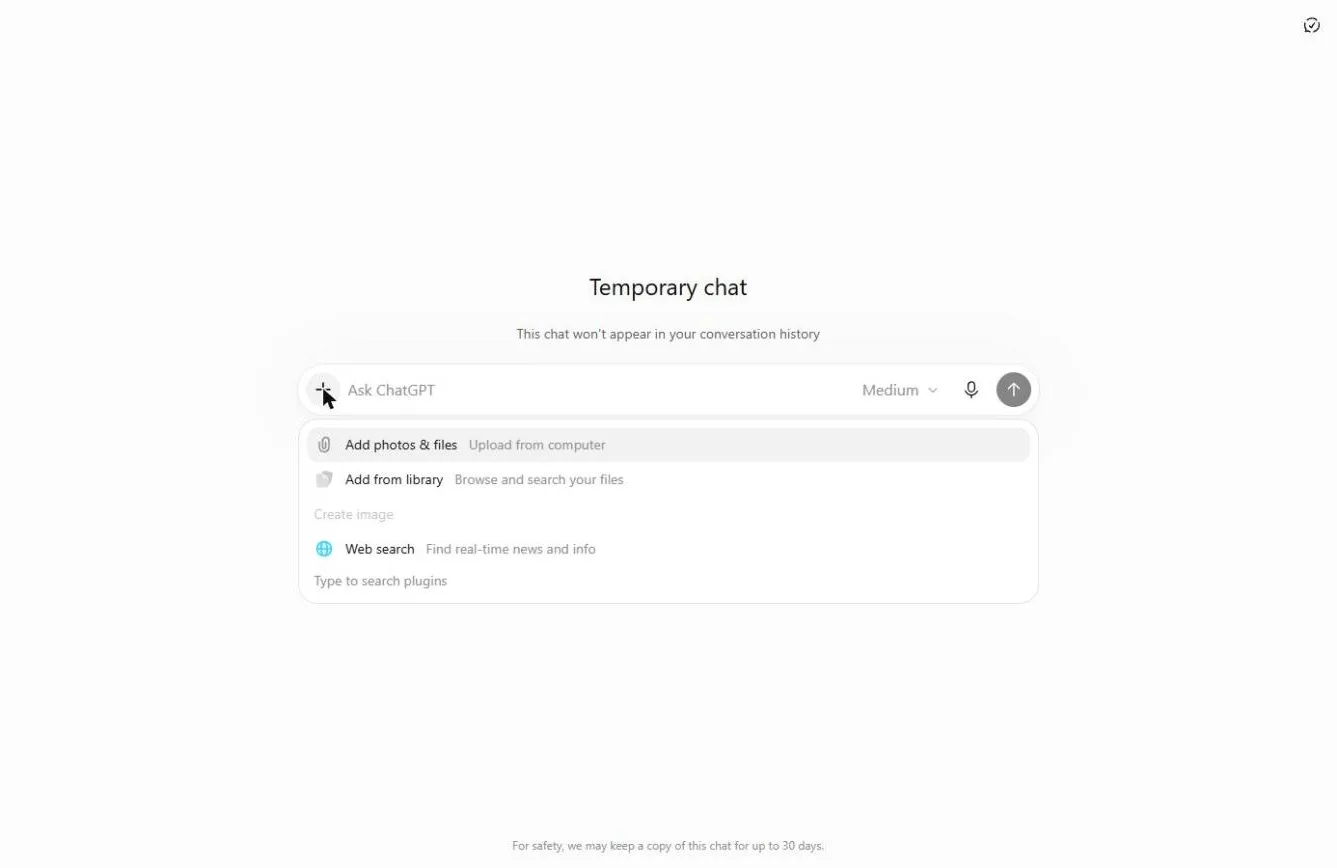
Try this lesson free or read the step-by-step guide.
Common confusions
Termination for cause vs for convenience
For cause needs a reason, usually a material breach, and often a chance to fix it first. For convenience lets a side end the contract for any reason, usually with notice and sometimes a fee.
Termination vs non-renewal
Termination ends the contract during its term. A non-renewal notice stops it from renewing at the end of the term, which is often cheaper.
Termination clause vs force majeure
A force majeure clause excuses performance during events nobody controls. Some contracts let either side terminate if that event lasts too long.
Tips
- Note the notice method too. Many contracts require written notice to a set address, sometimes by certified mail.
- Check whether notice counts when it is sent or when it is received.
- Ask AI for the clause number and exact words, then read the clause yourself.
Related terms
More Business terms
Where you use it: free lessons
- Never Miss a Contract Renewal Deadline using ChatGPT (ChatGPT, 10 min)
- Check a Contract for Red Flags with Claude (Claude, 11 min)
Frequently asked questions
- What is termination for convenience?
- A right to end the contract without giving a reason, usually with written notice and sometimes a fee. Vendors often limit it; customers often ask for it.
- What is a cure period in a termination clause?
- Time the other side gets to fix a breach after you notify them, often 15 or 30 days, before you can terminate for cause. The contract sets the length.
- Can I end a contract if there is no termination clause?
- It depends on the contract and the law where you are. Some contracts can still end for a serious breach. Ask a lawyer before you stop paying or performing.
- How do I find the termination clause in a long contract?
- Search for "terminat" and "notice", or ask ChatGPT or Claude to list every termination and renewal term with section numbers and exact words, then check each one.