What is a three-way match?
Updated · By Robert Breen
A three-way match is a payment check that compares three documents before a vendor invoice is paid: the purchase order that says what was ordered, the receiving record that says what arrived, and the invoice that says what is being charged. If all three agree, the bill is cleared.
Why it matters for a small business
The match catches the ordinary errors that cost money: being billed for twenty cartons when ten were delivered, paying a price different from the one agreed, or paying the same invoice twice. It also gives a clean paper trail if a vendor disputes a payment.
Not every business needs the full routine. Services with no goods delivered usually use a two-way match, invoice against purchase order. The size of the purchase should set the effort. A small team might apply a three-way match only to inventory orders above a certain amount.
In a real lesson: Build an Expense Reimbursement Form With AI Policy Checks
The AI Expense Reimbursement Form lesson does not do a three-way match, but it demonstrates the same idea: check a request against written rules before acting. A made-up firm, Maple Street Bookkeeping, builds a reimbursement form in Lovable. Each submission goes to an n8n workflow, where an AI agent compares it with a policy.
The policy in the agent's system message is short. A request is Needs receipt if the employee says there is no receipt or does not mention one, Needs manager OK if the amount is one hundred dollars or more, and Approved if it is under one hundred dollars with a receipt and a clear business purpose.
The agent saves the request to Google Sheets and emails the employee the status. Notice what it compares: one request against one policy, not an invoice against a purchase order and a delivery. A three-way match would add those documents, but the habit of settling the rule first and checking each item against it is the same.
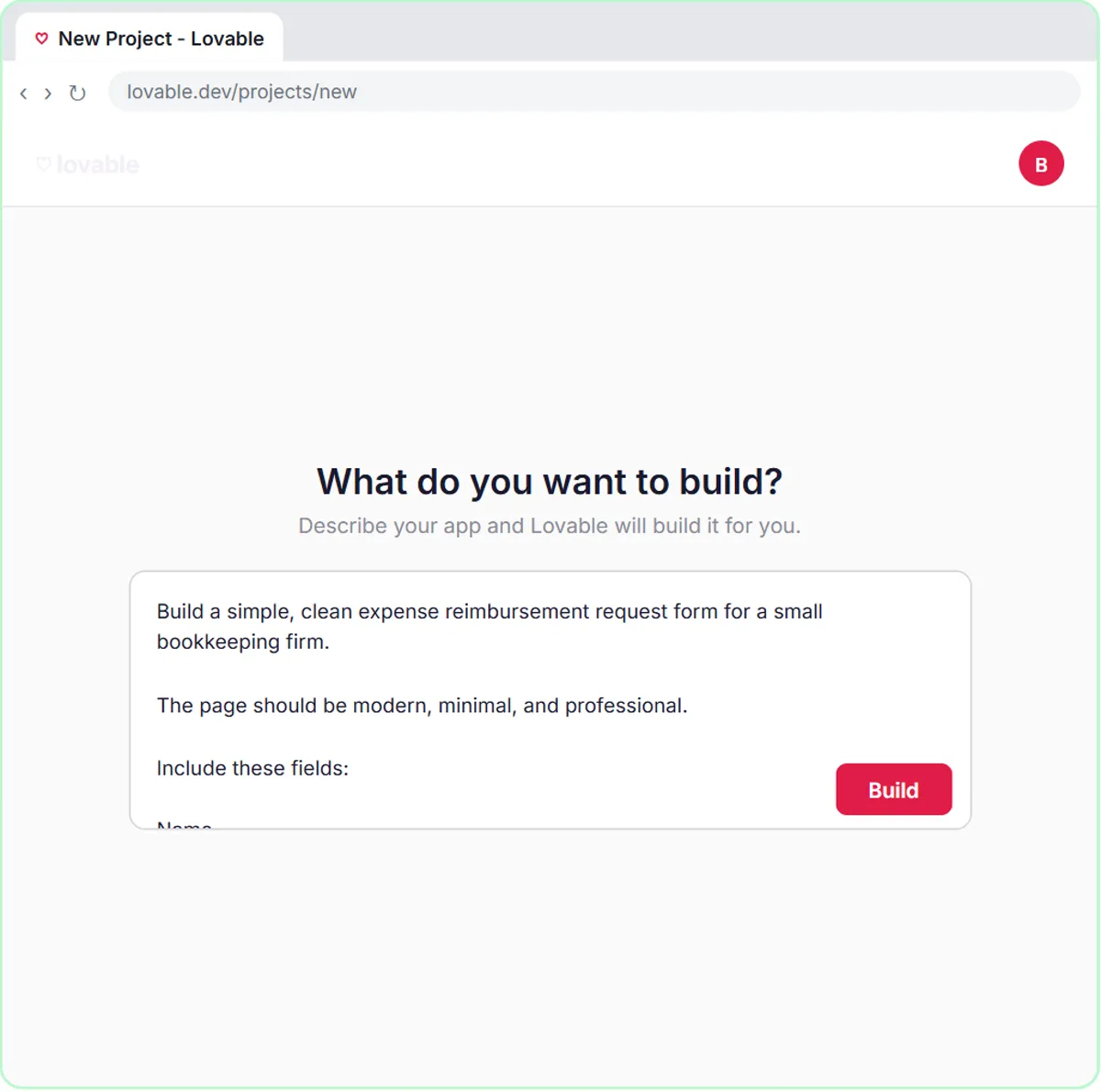
Try this lesson free or read the step-by-step guide.
Common confusions
Three-way match vs bank reconciliation
A three-way match happens before payment and compares documents about one purchase. Bank reconciliation happens after payment and compares your books to the bank's record.
Three-way match vs approval
Matching asks whether the paperwork agrees. Invoice approval asks whether someone with authority agrees the spend is right. Many routines need both.
Tips
- Set a tolerance, such as a small price difference that does not need review, so people are not chasing pennies.
- Make receiving a real step. Someone has to record what actually arrived.
- Automated checks can flag mismatches, but a person should decide what to do about them.
Related terms
Where you use it: free lessons
- Build an Expense Reimbursement Form With AI Policy Checks (Lovable and n8n, 15 min)
- AI Receipt Extractor: Receipts to Google Sheets with n8n (n8n, 12 min)
Frequently asked questions
- Do I need a purchase order to do a match?
- For a three-way match, yes, because the order is one of the three documents. Without purchase orders, you can still compare the invoice to a delivery note or a quote.
- What if the three documents disagree?
- Hold payment, contact the vendor, and note what you found. Do not pay the invoice and sort it out later, because that is harder to recover.